For decades, fashion has been about speed. New styles every week. Trends that arrive and disappear before you have even worn the outfit twice. Fast fashion built its empire on this cycle. It taught us to buy more, wear less, and discard quickly.
But something has shifted. The generation that grew up with fast fashion is now walking away from it. Gen Z—the digital natives, the socially aware, the eco‑conscious—is turning its back on the very industry that was built for them. And they are choosing something older, slower, and far more meaningful.
Handloom.
The Fast Fashion Reckoning
Gen Z has watched fast fashion closely. They have seen the waste, the overproduction, and the environmental damage. They have read about garment workers working in unsafe conditions for unfair wages. They have understood that the cheap price tag on a dress often comes at a cost that is not reflected in the bill. More people are becoming aware of excessive waste, overproduction, and the adverse effects of fast fashion.
Seventy‑three per cent of Gen Z consumers believe that buying fast fashion is an act of violence against the planet. This is not a casual opinion. It is a deeply held conviction that influences how they spend their money. They are questioning the ethical cost of what they wear. And they are choosing to spend differently.
Sustainability, But Make It Practical
Sustainability is not a buzzword for Gen Z. It is a practical consideration that guides their daily choices. They are not looking for perfect solutions—they are looking for better ones. Handloom fits this practical approach.
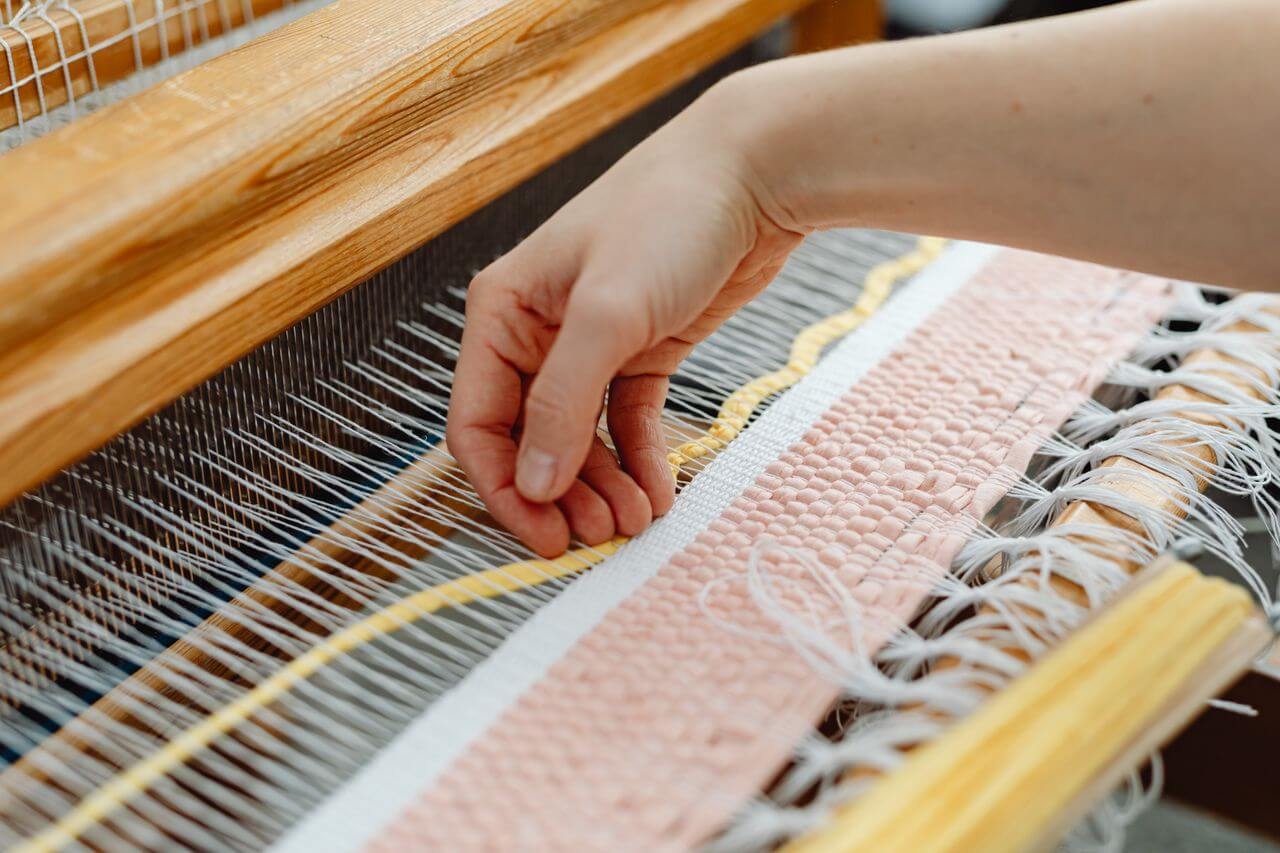
Handloom products require minimal energy and water compared to industrial textile production. Since they are handwoven by artisans, they are not mass‑produced on energy‑intensive machines. They are made from natural materials, require less industrialisation, and are produced in smaller batches.
This matters to a generation that is acutely aware of climate change. They understand that every garment has a carbon footprint. And they want that footprint to be as small as possible. For them, choosing handloom is not just a fashion decision. It is an environmental one.
The Search for Authenticity
One of the most striking changes in how Gen Z approaches fashion is the value they place on authenticity.
This generation spends most of their lives online. Their feeds are curated, filtered, and polished. Yet, paradoxically, they crave the real and the tangible. They want products that have a story. Products that are not identical to every other product on the shelf.
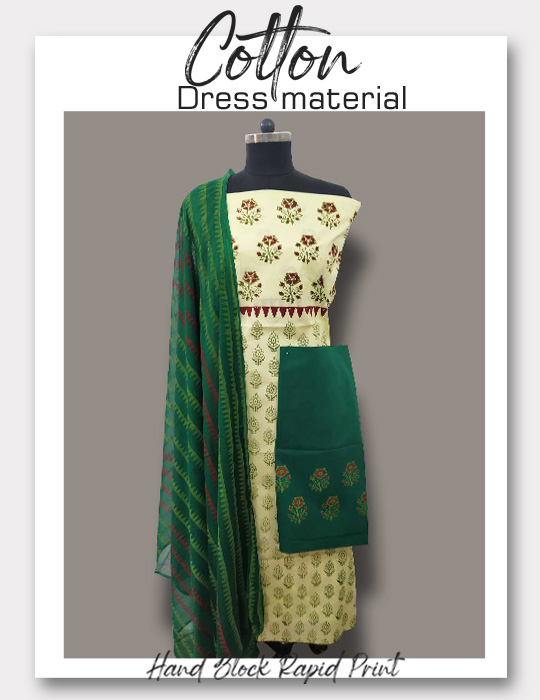
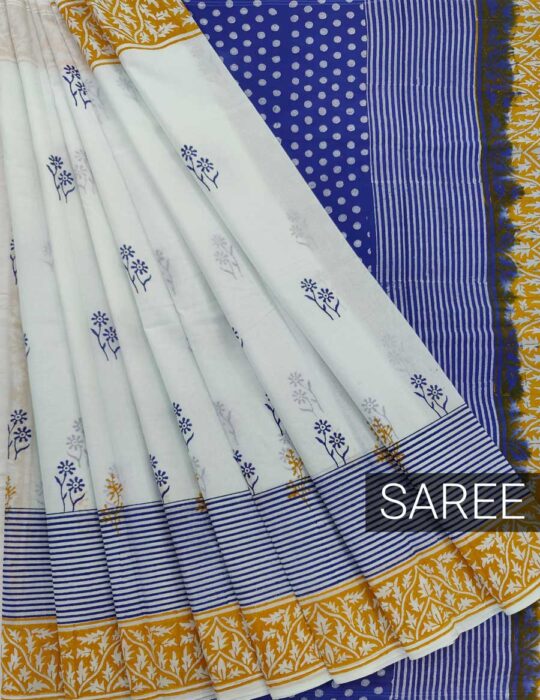
Handloom offers this authenticity. Slight variations in print, weave, or colour are not seen as flaws. They are seen as character. The feeling of the weave in a handloom cloth, the imperfect cuts of a block‑printed textile, the natural textures in fabrics—these create a different relationship with the product.
Gen Z is drawn to the individuality of handloom. Each piece is crafted by artisans, making every garment unique. In a world saturated with mass‑produced clothing, handloom permits individuality. It is a quiet rebellion against conformity.
Cultural Pride and Self-Expression
For Gen Z, wearing handloom is not just about sustainability or authenticity. It is also about identity.
Traditional prints and fabrics are being embraced as a statement. Young consumers are celebrating their Indianness in arts, crafts, and culture. They are educated, well‑travelled, and are learning to celebrate this identity through what they wear.
Handloom speaks of the craftsmanship and heritage of India. Each string of the fabric has a story behind it. When Gen Z wears handloom, they are not just wearing a garment. They are wearing a piece of living history. They are honouring the artisans who have kept these traditions alive for generations.
This is not nostalgia. It is a celebration of identity. Wearing sarees and kurtas is not a nod to the past; it is a celebration of identity. It is about owning who they are and where they come from.
The Modern Makeover: Handloom, But Make It Hip
One of the reasons Gen Z is embracing handloom is that it no longer looks like their grandmother’s wardrobe. Contemporary designers and indie labels have transformed handloom into something modern, wearable, and cool.
Designers are creatively reinterpreting traditional handloom patterns for modern clothing. They are using handloom fabrics in shirts, blazers, jumpsuits, and co‑ord sets. The silhouettes are contemporary. The styling is fresh.
Young consumers are pairing handwoven fabrics with sneakers, mixing them with western silhouettes, and wearing block prints as everyday wear. The saree is being paired with shirts, belts, and sneakers. Ajrakh blazers and ikat‑print bucket hats are becoming increasingly popular.
The old image of handloom as stiff, heavy, and formal is fading. In its place is a fabric that is light, versatile, and effortlessly stylish.
A Shift in Values, Not Just Wardrobes
What is happening with Gen Z and handloom is not a passing trend. It is a fundamental shift in how this generation thinks about fashion.
Gen Z cares less about products and more about the value system represented by them. They are moving from fast choices to thoughtful buying. They are buying fewer things, but choosing them more carefully. Instead of filling wardrobes with options, they are focusing on pieces that can be worn often and for a long time. Handloom, which is not designed for quick replacement, naturally fits into this shift.
The numbers reflect this shift. Myntra has witnessed a 20% year‑to‑date growth in demand for handloom products, driven largely by Gen Z and millennials. The handloom saree market is experiencing consistent double‑digit growth, with online‑first brands reporting year‑on‑year growth of 35‑45%. Young Indians are showing renewed interest in handloom textiles and their heritage.
This is not a revival. It is a reimagining. Gen Z is not bringing back handloom the way it was. They are bringing it forward, reinterpreting it for their own time.
A Final Word
The generation that grew up with fast fashion is choosing handloom. Not because they are nostalgic. Not because they are following a trend. But because handloom aligns with their values. It is sustainable. It is authentic. It is a celebration of identity. And it is finally being styled in a way that feels modern.
In a world overindulged with fast fashion, handloom permits individuality. It stands for transparency, tradition, and timelessness in an industry built on exploitation, opacity, and planned obsolescence. For Gen Z, that is not just a fashion statement. It is a choice that reflects who they are.
You may also like reading: