Have you ever held a piece of fabric and felt like it was whispering a story?
Not the loud, flashy stories that scream for attention. But the quiet kind. The kind that speaks of hands that carved wood under the shade of a banyan tree. Of dyes mixed with patience and precision. Of patterns stamped one by one, each falling slightly different from the last—because that’s what makes it real.
But here’s the truth that sits heavy in my heart. This art, the old tradition of handblock printing, is slowly fading. Machines are faster. Screens are cheaper. And somewhere in the race for perfection, we’re losing the very thing that made handcrafted textiles beautiful.
That’s why at Shikha’s Fab, we refuse to let it go.
We keep it alive. Not as a business strategy, but as a responsibility. A love letter to the artisans who pour their lives into every block. A gift to the women who wear our pieces and feel connected to something authentic.
Read this till the end. It won’t take much of your time, but I want you to understand what you’re really wearing when you choose handblock—and why we’re honored to be its keepers.
What Is Handblock Printing? Let’s Go Back to the Beginning
Handblock printing is exactly what it sounds like. Skilled artisans carve intricate designs onto wooden blocks—each motif, each line, each curve carved by hand with a small hammer and chisel. No machines. No automation. Just raw skill passed down through generations.
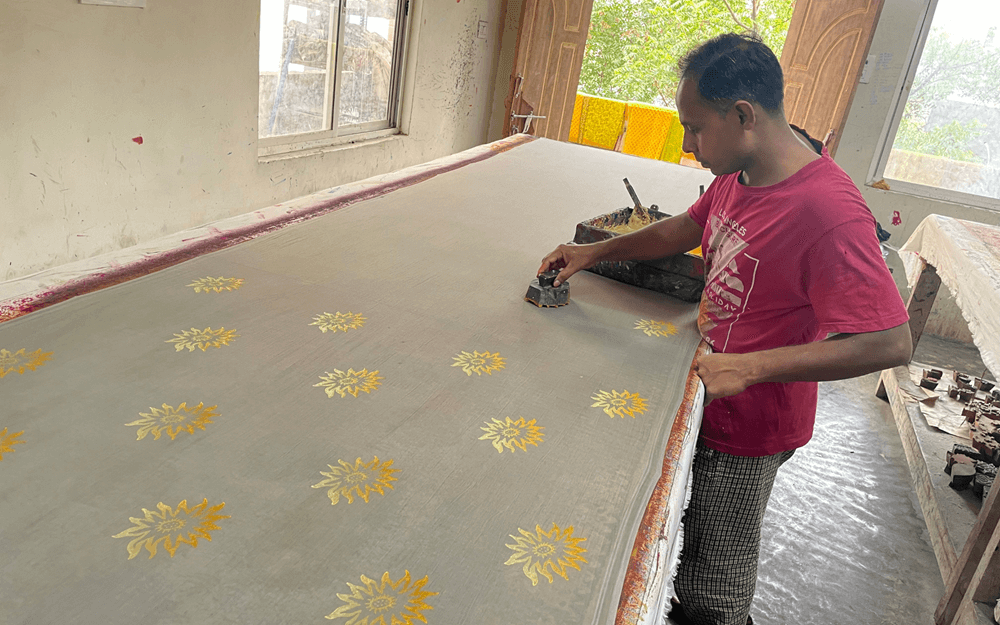
Then comes the magic. Natural dyes are prepared. The block is dipped. And with a firm, practiced hand, it’s stamped onto cotton or silk. The artisan aligns each print by eye, sometimes using a small nail mark as a guide. The result? A pattern that breathes. Slight variations in pressure, tiny imperfections, the gentle bleed of natural dyes—these aren’t flaws. They’re signatures. Proof that a human being, not a machine, made this.
This art has been practiced in India for over 4,000 years. The Indus Valley Civilization had evidence of block printing. Rajasthan and Gujarat became its heartlands—places like Sanganer, Bagru, and Kutch, where families have been printing fabric for centuries.
But somewhere along the way, we started forgetting the value of this.
The Process: How a Plain Fabric Becomes Art
When you see a finished handblock print, you’re seeing the end of a long, beautiful journey. Let me walk you through what actually happens before that fabric reaches your hands.
- Carving the Block
This is where it all begins. Teak wood or sheesham wood is cut into blocks. The design is traced. Then the artisan carves—sometimes for days on a single block—removing wood where the design will print, leaving the raised pattern. A single saree might require multiple blocks: one for the main body, one for the border, one for the pallu. - Preparing the Fabric
The cotton is washed thoroughly to remove starch and impurities. It’s then bleached naturally if needed, or left in its raw form for earthy tones. Some traditions involve dipping the fabric in myrobalan (a natural hard powder) to create a base that absorbs dyes better. - Mixing the Dyes
Natural dyes are prepared from plants, flowers, roots, and minerals. Indigo for blue, madder root for red, pomegranate rind for yellow, iron filings for black. This is chemistry passed down as tradition. No harsh chemicals. No synthetic shortcuts. - Printing
This is where the magic happens. The artisan dips the block into the dye, taps it gently to remove excess, and stamps it onto the fabric with a steady hand. The left hand guides the fabric; the right hand stamps. Block after block, row after row. A single saree can take hours, sometimes days, to print completely. - Drying and Washing
Once printed, the fabric is dried in the sun. Then it’s washed in flowing water to set the colors. For certain prints like Bagru or Ajrakh, this process repeats multiple times—printing, drying, washing, printing again—to build layers of color and pattern. - Final Finishing
The fabric is dried, ironed, inspected, and folded. Each piece is checked by the artisans themselves. They know every inch of it. If something isn’t right, it doesn’t leave the workshop.
This is slow. This is labor-intensive. This is the opposite of fast fashion. And that’s precisely why it matters.
Also, read: Mulmul Hand Block Printed Saree for Summers: Why It’s Perfect for the Heat
How Shikha’s Fab Keeps the Tradition Alive
We don’t just sell handblock-printed fabric. We protect the entire ecosystem around it.
We Work Directly With Artisans
No middlemen. No exploitation. We collaborate with printing families in Jaipur, Bagru, and Kutch—communities that have been printing for generations. We pay them fairly, visit their workshops, and build relationships based on respect.
We Use Natural Dyes
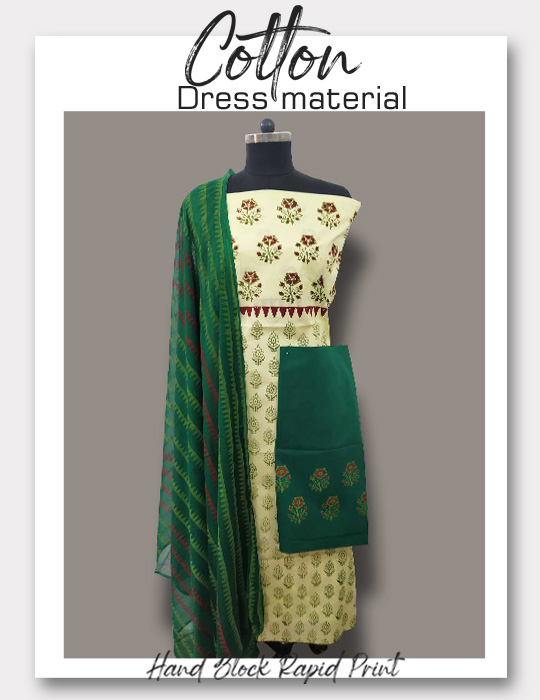
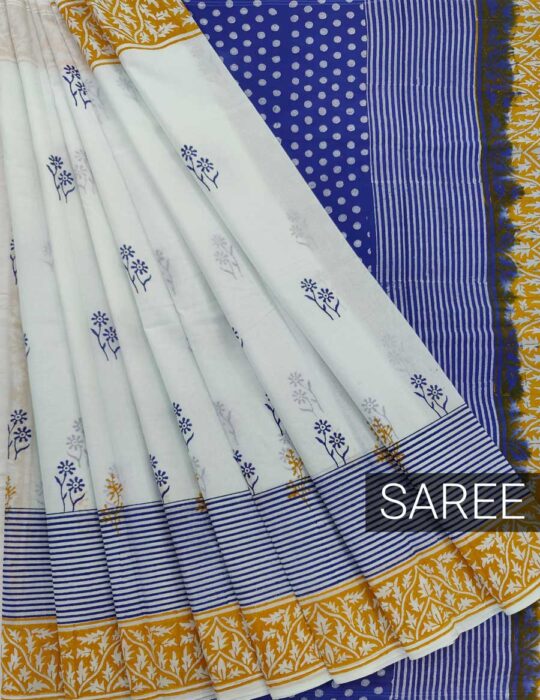
Our collection focuses on azo-free, natural, and low-impact dyes. The colors you see on our sarees, dupattas, and suits are from plants, not chemicals. This is gentler on your skin and gentler on the earth.
We Honor Imperfections
When you buy from Shikha’s Fab, you’re getting fabric that shows it was made by hand. Slight color variations, tiny inconsistencies in the print—these aren’t defects. They’re proof of authenticity. We educate our customers to love these quirks, not demand machine-like perfection.
We Keep Traditions Alive
We produce traditional prints like:
- Bagru prints – Earthy, geometric patterns from Rajasthan using natural dyes
- Sanganeri prints – Delicate floral motifs on white or pastel backgrounds
- Ajrakh prints – Complex, symmetrical patterns with deep indigo and madder red
- Dabu prints – A mud-resist technique that creates beautiful, blurred patterns
Also, read: Hand Block Print Artisans — The Hidden Heart of India’s Textile Soul
A Final Word From the Heart
When we started Shikha’s Fab, it wasn’t with a grand business plan. It was with a love for fabric. A love for the way handblock feels against the skin—light, breathable, honest. A love for the artisans who, despite the challenges, still wake up every morning to carve wood, mix dyes, and stamp fabric with their practiced hands.
We wanted to be a bridge. Between the villages where this art lives and the women who would treasure it. Between tradition and modernity. Between the hands that make and the hands that wear.
So the next time you wear a handblock saree or dupatta, I hope you pause. I hope you run your fingers over the print and imagine the hands that put it there. I hope you feel the story woven into every inch.
Because that’s not just fabric. That’s centuries of tradition. That’s human skill, human love, human persistence. That’s the art of handblock printing.
And at Shikha’s Fab, we’re honored to keep it alive.
You may also like reading:
Hand Block Printed Sarees for Youth — The Complete 2025 Style Guide