Let me ask you something.
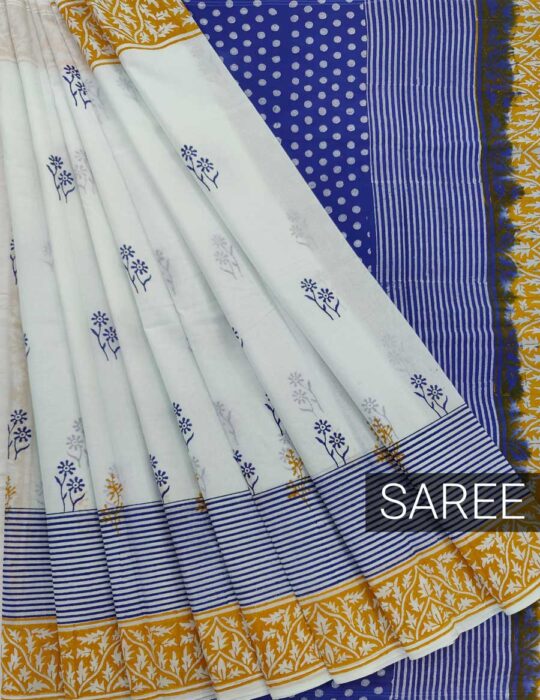
You know that one saree in your wardrobe, the one your mother gifted you, or the handblock beauty you picked up from a tiny shop in Jaipur—do you remember the first time you wore it?
The way the fabric felt against your skin. The way the colours seemed to glow in the evening light. The way you smiled every time you caught your reflection.
Now, let me ask you something else.
When was the last time you wore it? And if it’s been a while, is it because the colours have faded, or the fabric feels rough, or you’re just afraid of ruining it?
With the right care, your cotton and hand‑block printed sarees can stay beautiful for decades. Not years or decades. The colours have softened, yes, but they haven’t disappeared. The fabric feels like a gentle old friend.
This is the 2026 Saree Care Guide. Read it till the end. It won’t take much of your time, but these tips might just save your most treasured six yards.
Why Cotton and Hand‑Block Prints Need Special Love
First, understand what you’re working with.
Cotton is a natural fibre. It breathes, it feels heavenly, but it’s also more delicate than synthetic fabrics. Hand‑block prints use natural or low‑impact dyes that sink into the cotton fibres without harsh chemical binders. That’s what gives them that soft, imperfect, artistic look.
But that same softness means they need gentler care. No harsh detergents. No aggressive scrubbing. No relentless sun. Think of your saree as a living thing—because in a way, it is. The artisan’s hands, the natural dyes, the cotton plant itself—they all have a life. Treat them with respect.
The Golden Rules of Washing Your Hand‑Block Saree
Rule 1: Always Wash New Sarees Separately
When you buy a new hand‑block saree, natural dyes may release some colour in the first wash. This is normal. Wash it alone in cold water with a mild, chemical‑free detergent. Don’t panic if the water turns slightly tinted—that’s the excess dye leaving. The saree will still be beautiful.
Rule 2: Hand Wash is Best
I know, life is busy. But if you want your saree to last, skip the machine. Fill a clean bucket or tub with cold water. Add a teaspoon of mild liquid detergent (something meant for delicates or natural fabrics). Swish the water gently. Dip the saree in, let it soak for 5‑10 minutes—no longer. Gently press the fabric. Never twist, wring, or scrub. The prints are hand‑stamped; they don’t like aggression.
Rule 3: Rinse Twice, Rinse Well
Drain the soapy water. Refill with cold, clean water. Gently press the saree to release the soap. Repeat once more. Leftover detergent can dull colours over time.
Rule 4: No Bleach, No Stain Removers
Ever. Bleach will eat the natural dyes and destroy the cotton fibres. If you have a stain, dab it gently with a mild soap paste. For tough stains, take it to a dry cleaner who understands handloom fabrics.
Drying Your Saree: Shade is Your Best Friend
Here’s where most people make a mistake.
Direct sunlight is the enemy of hand‑block prints. The UV rays fade natural dyes faster than anything else. Always dry your saree in the shade—on a clean clothesline or a drying rack. Turn it inside out so the sun doesn’t hit the printed side even indirectly.
Also, don’t use a dryer. The heat will shrink the cotton and crack the prints. Just let it air dry naturally. In most Indian weather, it’ll be dry in a few hours.
Ironing Without Ruining the Print
Ironing a hand‑block saree is easy if you remember one rule: iron on the reverse side.
Turn the saree inside out. Set your iron to medium heat (cotton setting). Iron while the fabric is slightly damp—it smoothens the wrinkles faster. Never iron directly over the block print side. The heat and pressure can flatten the raised dye or cause it to stick to the iron.
If you must iron the printed side (like for the pallu to look crisp), place a thin cotton cloth between the iron and the saree. This protects the print.
Storing Your Treasures: What Not to Do
You’ve washed, dried, and ironed. Now you fold and store. But wait—don’t just shove it into a plastic bag.
Use Cotton or Muslin Bags – Plastic traps moisture, and moisture leads to mildew and yellowing. Store your sarees in breathable cotton bags or even old pillowcases.
Fold, Don’t Hang – Hanging a cotton saree for months will stretch the fabric and create permanent creases. Fold it neatly with the print facing inward to protect the colours.
Avoid Mothballs Directly – Mothballs can react with natural dyes. Instead, use neem leaves, dried lavender, or cedarwood blocks. Change them every few months.
Rotate Your Sarees – Don’t leave the same saree folded at the bottom of the pile for a year. Rotate them every few months so the folds don’t become permanent.
How to Remove Wrinkles Without Ironing (Travel Hack)
Travelling with a cotton saree? Unfold it, hang it in the bathroom while you take a hot shower. The steam will release the wrinkles. This works beautifully for hand‑block prints and saves you from carrying an iron.
Why This Matters More Than Ever in 2026
We live in a world of fast fashion. Clothes are made to be worn three times and thrown away. But a hand‑block cotton saree is the opposite. It’s slow fashion. It’s sustainable. It’s a rebellion against disposable culture.
When you care for your saree properly, you’re not just preserving fabric. You’re preserving an artisan’s skill. You’re preserving a tradition. You’re saying: this matters. This beauty deserves to last.
So the next time you wash that indigo block print, or fold that mustard cotton with care, remember—you’re not doing chores. You’re keeping a story alive.
You may also like reading:
The Art of Handblock Printing: A Tradition We Keep Alive at Shikha’s Fab
Top Reasons Cotton Sarees Never Go Out of Style
Why Young Women Are Choosing Cotton Sarees Over Synthetic Fabrics