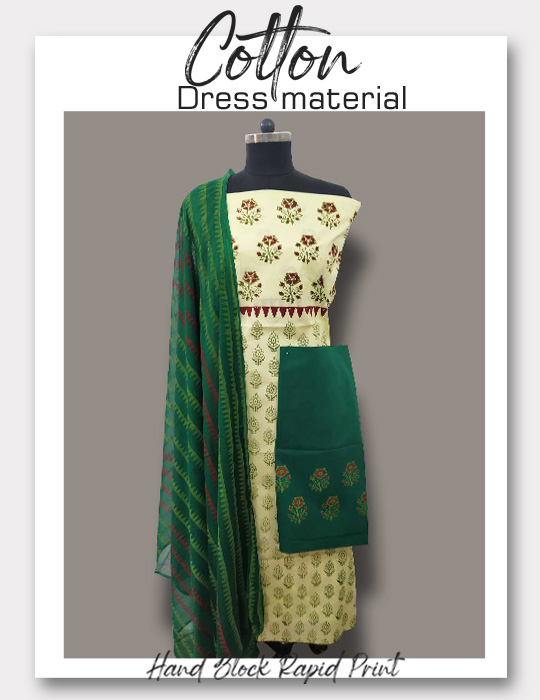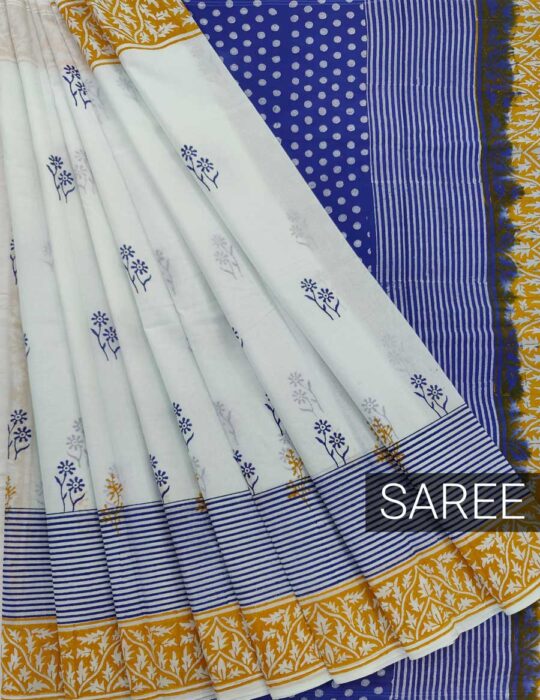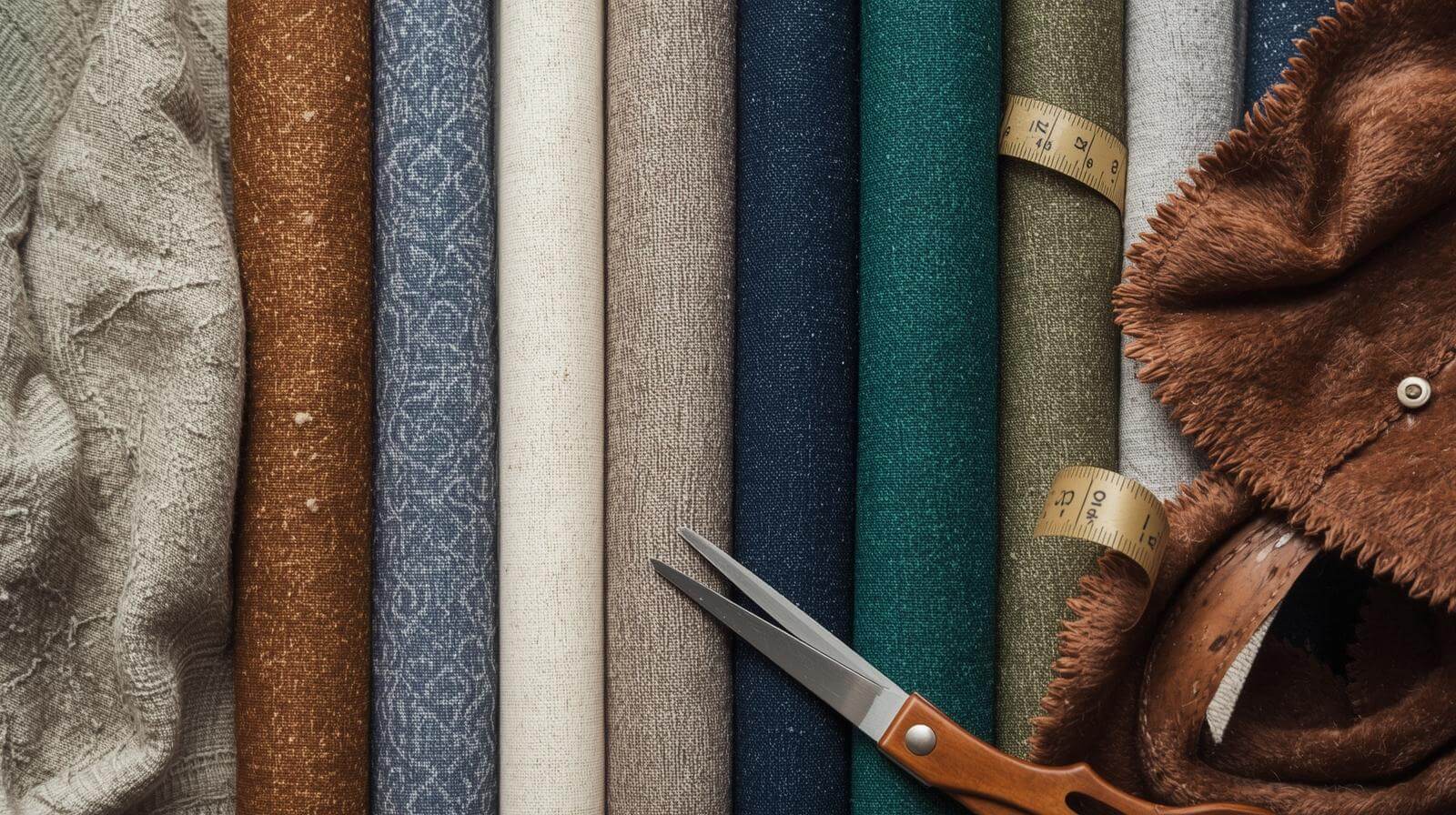
Choosing the right dress material for custom stitching can feel confusing. There are too many fabrics. Too many suggestions. Everyone says something different.
People spend a lot of money on stitching — and still feel uncomfortable wearing the outfit. Not because the tailor was bad. But the fabric choice was wrong. Once you fix this step, everything else becomes easier.
Let me break it down for you — step by step.
Understand the Purpose of the Outfit
Before touching the fabric shop, you need clarity. Ask yourself one simple question — where will you wear this dress?
This matters because fabric behaves differently in daily wear, office wear, weddings, and festivals. A material that looks premium at the shop may feel heavy after 2 to 3 hours.
Follow these steps:
- Daily wear → breathable fabrics
- Office wear → structured but soft
- Occasion wear → rich texture, heavier GSM
- Travel wear → wrinkle-resistant material
Make sure you decide this first. Don’t worry — once this is clear, fabric selection becomes 70% easier.
Choose Fabric Based on Season
Many people ignore this — and regret it later.
Fabric must match the weather. Otherwise, even perfect stitching won’t save the outfit. People wear synthetic blends in peak summer — and feel suffocated within 10 minutes.
Use this rule:
- Summer → cotton, linen, lawn
- Winter → wool blends, velvet, khaddar
- All-season → cotton-silk, rayon blends
In hot climates (like India), always prioritize breathability. It’s really OK if the fabric looks simple — comfort matters more.
Know Your Body Type Before Buying Fabric
Yes — fabric reacts differently on different body types.
Some materials cling. Some fall straight. Some add volume. If you ignore this, even an expensive stitch can look awkward.
Simple fabric guidance:
- Slim body → soft, flowy fabrics
- Curvy body → medium-thickness, structured fabrics
- Petite frame → avoid very heavy materials
- Broad frame → matte fabrics over shiny ones
Make sure you hold the fabric against your body in the mirror. You need to — do not skip this step.
Check Fabric Quality (Not Just Design)
Design attracts you. Quality keeps you comfortable.
A good dress material should last at least 2 to 3 years with normal use.
Fabric quality checklist:
- Stretch it lightly — it should return to shape
- Rub between fingers — no excessive fuzz
- Hold against light — uneven weaving is a red flag
- Ask GSM or thickness (especially for bottoms)
Don’t worry if you’re unsure. Ask the shopkeeper directly — you need to.
Match Fabric With Stitching Style
This is where many people make mistakes.
Not every fabric suits every design. Heavy embroidery on soft fabric causes sagging. Stiff fabric with flowy cuts looks boxy. It’s really ok if you didn’t know this earlier.
Basic matching rule:
- Straight cuts → cotton, linen, silk blends
- Flared designs → georgette, crepe, rayon
- Structured suits → wool blends, thicker cotton
- Layered outfits → lightweight fabrics only
Ensure your tailor examines the fabric before finalizing the design.
Common Mistakes to Avoid
- Buying fabric without a purpose
- Ignoring season suitability
- Choosing design before fabric
- Falling for shine over comfort
- Not accounting for shrinkage (always add 1–2 inches extra)
People make all of these mistakes — don’t repeat them.
Conclusion
Choosing the right dress material for custom stitching isn’t complicated. You just need clarity, patience, and a simple process.
- Decide the purpose.
- Match the season.
- Understand your body type.
- Check fabric quality.
- Align fabric with the design.
Follow these steps — and you’ll never feel disappointed after stitching again.
You may also like reading: