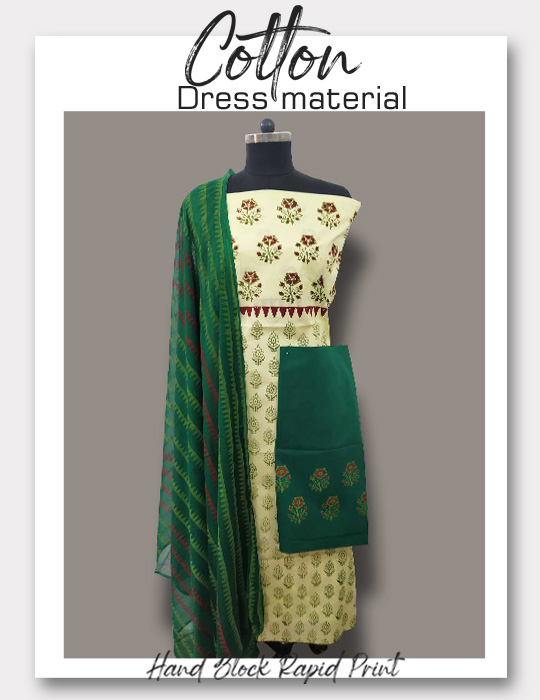
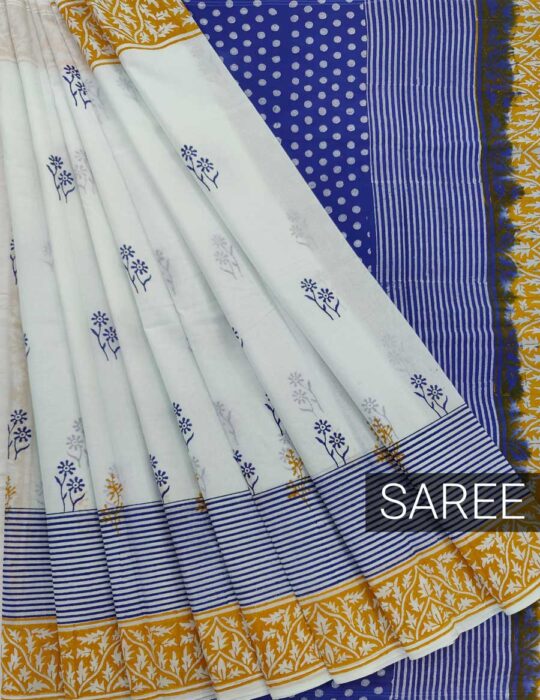
Natural-dyed and block-printed clothes are beautiful — they have texture, warmth, and a handmade feel. But they’re also delicate. They need slightly different care than mass-produced, synthetic-dyed garments. Do a few simple things right, and your plant-dyed saree, scarf, or block-printed cotton will look great for years.
Know what you bought — read the label
First thing: check the tag or ask the seller. Was the fabric mordanted? Is it cotton, silk, wool or blended? Natural dyes and prints react differently on different fibres. If you bought a hand-block printed cotton kurta, care is not the same as for a silk scarf. When in doubt, ask. Sellers who care will tell you the fabric, dye type, and any special steps to follow.
First wash — treat it gently and separately
Most naturally dyed items will shed some excess dye in the first one or two washes. That’s normal. Wash new items separately at first — cold water, gentle cycle or hand-wash. Use a mild, pH-neutral detergent or a specialist like Synthrapol to reduce dye migration. Cold water keeps colours from running and slows fading. After a couple of gentle washes, most plant-dyed pieces settle and can be washed with similar colours.
Avoid hot water, bleach, and harsh chemicals
Natural dyes can be fragile. Hot water, strong detergents, and bleach strip the colour and damage the fibre. Even household shortcuts like soaking in strong detergents or scrubbing with stiff brushes harm both the print and the fabric. Stick to cool or lukewarm water, gentle soap, and soft hands (or a delicate machine program). That preserves the colour and the hand of the fabric.
Dry in shade — sunlight fades natural dyes fast
Sunlight is the enemy of plant dyes. Prolonged drying in bright sun can bleach prints and fade subtle shades. After washing, hang to dry in shade or indoors with good airflow. For delicate pieces (silk scarves, fine linens), dry flat to avoid stretching. Avoid tumble dryers — heat and agitation speed up fading and wear.
Use mordants and fixatives correctly (when applicable)
Many natural dyes require a mordant to bind colour to fibre — alum, tannin, or specially recommended bio-mordants. If your item was professionally mordanted, it will be more colourfast. If you’re dyeing or printing at home, follow mordant instructions carefully and use approved fixatives for your fibre type. Newer “bio-mordant” options reduce heavy-metal usage while improving fastness — useful if you want eco-friendly stability. If you’re unsure whether a garment was mordanted, ask before aggressive washing.
Spot clean fast — treat stains gently
For small spills, act quickly. Rinse the stain under cold water, then use a mild pH-neutral soap or a diluted natural detergent and dab gently. Avoid alcohol-based spot removers or bleach — they can alter natural dyes. For persistent stains on delicate prints, professional cleaning (mentioning it’s plant-dyed) is safer than home harsh chemicals.
Storage matters — cool, dry, away from light
Store natural-dyed and block-print products in breathable cotton bags or wrapped in muslin. Avoid plastic for long storage—plastic traps moisture and can encourage mildew. Keep them away from direct light and heat sources. If you store a naturally dyed shawl for months, air it once in a while in the shade to prevent stale smells and check for pest damage.
Ironing and finishing — be gentle and test first
Iron on the reverse side at a low to medium temperature. Use a pressing cloth for delicate fabrics like silk. Some plant-dyed textiles can be steam-finished carefully, but always test a hidden corner first. Avoid heavy steam or very hot temperatures that might shift colour or damage the printed motif.
When to use professionals — dry-clean with care
Some items — layered prints, mixed fibres, or vintage plant-dyed pieces — are safer with professional cleaning. Tell the cleaner your item is naturally dyed or eco-printed. Reputable cleaners will use gentler solvents and methods. If a piece is labeled “dry-clean only,” getting expert help is often the best insurance.
Small repairs and colour touch-ups
If a print chips or a seam loosens, fix it soon. Small repairs prevent bigger tears. For colour touch-ups, consult the maker — they often have access to matching dyes or re-mordanting advice. Don’t try to recolour at home unless you know the exact dye and fibre — mismatched treatments can make things worse.
How Shikha’s Fab helps with natural dye & print care
If you bought a hand-block printed saree or a plant-dyed scarf from Shikha’s Fab in Kondapur, you’re not left to guess how to care for it. They don’t just sell beautiful pieces — they guide you through the small steps that keep colours bright and prints crisp. At the counter, they point out whether the piece was mordanted, suggest the right first-wash method, and tuck a short care note into the parcel so you know exactly what to do at home.
And if you’re buying in bulk or as a gift, Shikha’s Fab can include a printed care card with each order, so the recipient knows how to treat the piece from day one. Small touches like these make a real difference in how long natural-dyed and block-printed textiles stay beautiful.
Final thought — Set realistic expectations and enjoy the craft
Natural dye and block-print products are living things — their colours change gently with time and wear. They may fade slowly, but that patina is also part of their charm. Follow basic precautions: separate first washes, cold water, pH-neutral soap, dry in shade, and gentle storage. Treat them with care and they’ll reward you with unique, lasting character.
You might also like reading: Hand Block Printed Designer Sarees in Hyderabad — Where to Buy