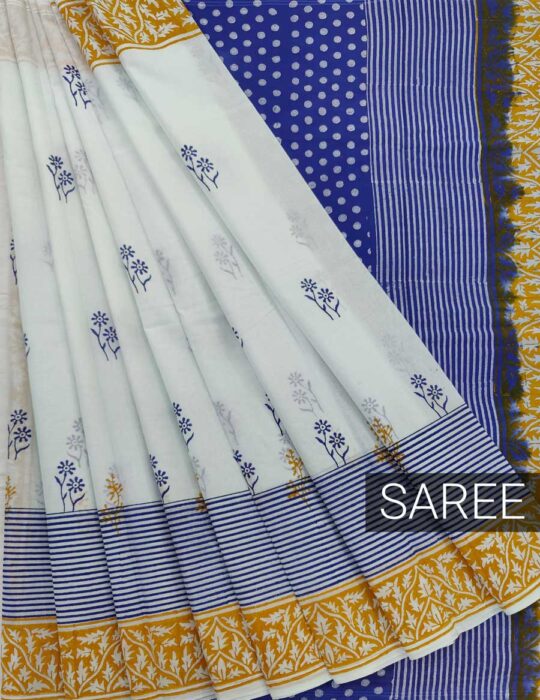
You have bought a beautiful cotton saree. You have worn it once, maybe twice. And then it goes into the cupboard, folded in a hurry, pushed under a pile of other clothes. Weeks later, you pull it out and find deep creases running through the fabric like scars. The saree looks tired. It looks old. And you wonder why it does not drape the way it used to.
The problem is not the saree. The problem is how it was stored.
Cotton is a beautiful fabric. It is breathable, comfortable, and timeless. But it is also prone to creasing if it is not stored correctly. Unlike synthetic fabrics that bounce back from wrinkles, cotton remembers every fold, every pile, every heavy weight placed on top of it.
The good news is that keeping cotton sarees wrinkle-free is not complicated. It just requires a little care, a little patience, and the right techniques. This is your complete guide to saree storage that actually works.
Why Cotton Sarees Wrinkle So Easily
Before we get into the solutions, let us understand the problem.
Cotton fibres are natural. They have a memory. When you fold a cotton saree along the same line over and over again, the fibres learn that fold. They weaken along that line. And they create a permanent crease that no amount of ironing can fully remove.
Cotton also absorbs moisture from the air. In humid climates, this makes the fabric heavy and more prone to creasing. In dry climates, cotton can become static and stiff. Both extremes are bad for long-term storage.
The weight of other clothes on top of a cotton saree also compresses the fabric. This is why sarees at the bottom of a pile always look more wrinkled than those at the top. The solution is not to stop wearing cotton sarees. The solution is to store them the right way.
The Golden Rule: Fold Less, Roll More
The first and most important rule of storing cotton sarees is simple. Avoid sharp folds. And the best way to do that is to roll, not fold.
Rolling a cotton saree eliminates the sharp creases that come from folding. It distributes the fabric evenly, so no single part bears the weight of the rest. Start by laying the saree flat. Fold it in half lengthwise, then fold the pallu neatly over the body. Then, starting from one end, roll the saree tightly but gently. Do not make it so tight that the fabric stretches. The goal is a neat, compact roll that keeps its shape.
Once rolled, place the saree in a cotton or muslin bag. This allows the fabric to breathe. It also protects the saree from dust, insects, and moisture. Plastic bags are a mistake. They trap moisture inside and can cause mildew, yellowing, and that musty smell that never quite goes away.
If rolling feels too complicated for everyday sarees, at least avoid folding along the same line every time. Change the fold pattern every few months. This prevents permanent creases from forming.
Iron Before You Store (But Do It Right)
A saree that goes into storage wrinkled will come out even more wrinkled. Before you put a cotton saree away, make sure it is clean, dry, and ironed.
Iron on the reverse side of the fabric. Use a medium heat setting. Cotton can handle heat, but direct ironing on the printed side can flatten the block print, scorch the natural dyes, or create a shine on the fabric. If you must iron the front, place a thin cotton cloth between the iron and the saree.
Never store a saree that is damp. Even a slightly damp saree will develop mildew in storage. That smell will cling to the fabric and can be impossible to remove. Always let the saree dry completely before folding or rolling it.
Rotate Your Sarees Every Few Months
This is a tip that most people ignore, and it is one of the most important.
If you have multiple cotton sarees, do not leave the same one at the bottom of the pile for years. Rotate them. Every three to four months, take out your stored sarees, unfold or unroll them, refold or reroll them in a different way, and put them back.
This serves two purposes. It prevents permanent creases from forming along the same lines. It also gives you a chance to check for any signs of damage, moisture, or insects. A quick inspection now can save a saree from permanent ruin later.
Avoid Hanging for Long Periods
Hanging a saree seems like a good idea. It keeps the fabric straight and avoids folds. But for cotton sarees, long-term hanging is not recommended.
Cotton is a relatively heavy fabric. When you hang a saree, the weight of the fabric pulls at the shoulders and the pallu. Over time, this stretches the saree and distorts its shape. The border may sag. The body may lose its balance.
A short-term hang is fine. If you are airing out a saree before wearing it, hanging it for a few hours is harmless. But for storage, folding or rolling is always better.
Create a Dedicated Saree Shelf
If possible, create a dedicated space for your sarees. A separate shelf or a breathable storage box means your sarees are not crushed under piles of other clothing. This alone can make a huge difference.
Line the shelf with a clean, breathable fabric. Avoid direct contact with wood or metal, which can leave stains or marks over time. Keep the space dry, cool, and away from direct sunlight. Sunlight fades natural dyes and weakens cotton fibres over the years.
A Final Word
Your cotton sarees are not just clothes. They are memories, investments, and pieces of art. They deserve better than being shoved into a cupboard and forgotten. With a little care in how you fold, what you store them in, and how often you rotate them, they will stay wrinkle-free, vibrant, and ready to wear for years to come.
Storage is not a chore. It is a way of honouring the fabric, the artisan who made it, and the woman who wears it. Do it right, and your saree will always be ready for the next celebration.
You may also like reading: