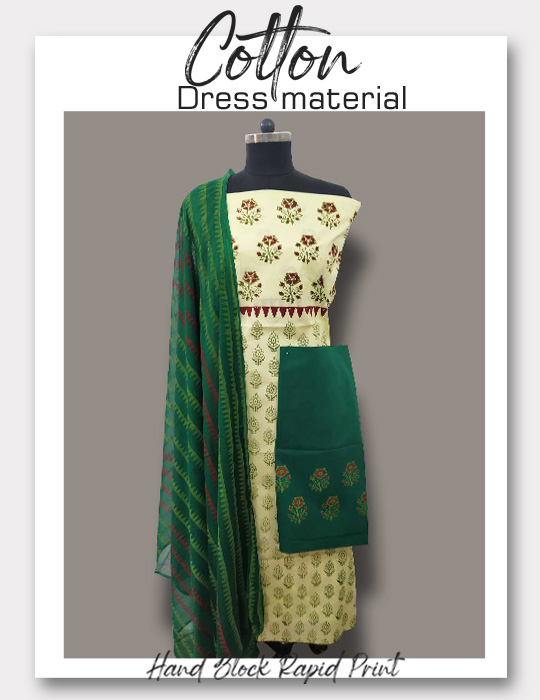
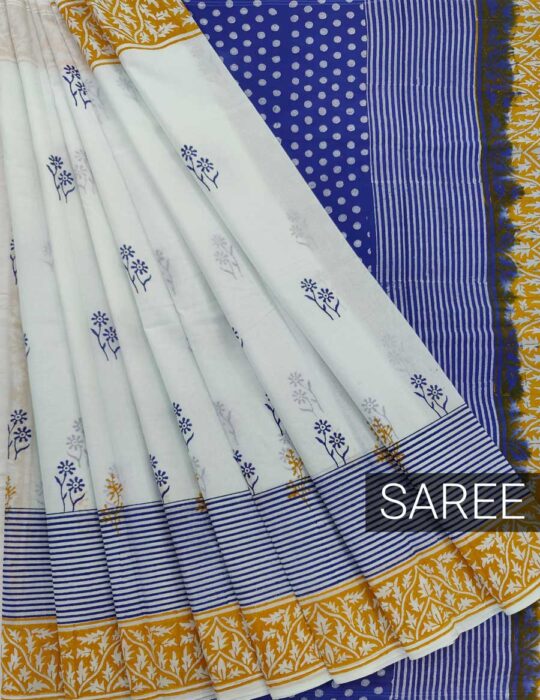
Many people buy beautiful unstitched fabric and then realize the final outfit looks nothing like they imagined. That’s where a good tailor makes all the difference. Buying unstitched clothing gives you freedom — you choose the style, the fit, and the finish — but a poor stitcher can turn a great fabric into a disappointing outfit.
Below, I explain why a good tailor matters, what they actually do for unstitched clothes, how to spot one, and why Shikhas Fab in Kondapur is a smart place to start your unstitched-to-stunning journey.
Why a good tailor matters for unstitched clothing
Unstitched fabric is promise and possibility. But the promise only becomes real with precise cutting, accurate measurements, and careful finishing. A skilled tailor understands the behavior of fabric, the placement of patterns, seam allowances, and how a design will drape on the body.
The right tailor will make the garment feel made-for-you — not just “stitched”. They preserve the fabric’s texture and print, improve comfort, and ensure the silhouette flatters your shape. That’s a value you’ll wear again and again.
- Perfect fit that flatters your body shape.
- Correct handling of delicate fabrics (such as silk, chiffon, and handloom).
- Clean, durable finishes that last wash after wash.
- Smart pattern placement on printed or block-printed cloth.
Looking For Premium Sarees & Fabrics At The Best Price?
At Shikha’s Fab, we specialize in wholesale & retail hand-block printed sarees, Tussar silk, linens, dress materials, fabrics & readymade blouses. Whether you are a reseller, boutique owner, or an individual shopper, we offer quality products at unbeatable prices.
→ Bulk orders & wholesale pricing available
→ Wide variety of sarees, fabrics & blouses
→ Ready-to-ship collections for quick delivery
The concrete benefits: what a skilled tailor does differently
Good tailoring isn’t just sewing two pieces together. It’s a craft. Here’s what an experienced stitcher brings to your unstitched clothing.
Skilled tailors translate your idea into reality. They make tiny decisions — where a dart should sit, how much flare to add, how to finish a neckline — and those tiny decisions change the look and longevity of your outfit.
- Precision measurements and test fittings for an accurate final fit.
- Correct interfacing and seam finishes so the garment holds shape.
- Proper lining and hemming for heavier fabrics and formal looks.
- Neat finishing: invisible stitches, matched motifs at seams, reinforced stress points.
How to choose the right tailor — quick practical checklist
Not every stitcher is equal. Use this short checklist when you visit a tailor or ask for recommendations. It helps you separate hobby sewers from professionals.
Spend ten minutes on these checks and you’ll save hours and money later. A good tailor welcomes questions, shows past work, and explains choices — they’re collaborators, not just a machine behind a table.
- Ask to see recent customer photos of similar work.
- Check a trial piece or kurta they’ve stitched for fit and finish.
- Ask about fabric handling experience (silk, georgette, handloom).
- Confirm turnaround time and number of trial fittings included.
- Get clarity on charges for adjustments and complex finishes.
Common mistakes a poor tailor makes (and how to spot them early)
If your last unstitched purchase went wrong, it’s probably one of these. Spotting these early keeps you from repeating the mistake.
These are the things that ruin a fabric: bad cutting, mismatched patterns, weak seams, and improper pressing. If your tailor glosses over these during the first visit, walk away — small negligence becomes a visible problem later.
- Cutting too small to save time — impossible to fix.
- Ignoring pattern repeat on block-printed fabrics — motifs go off-center.
- Weak seam finishes on delicate cloth — ends up tearing.
- No trial fitting offered — final fit is a guess.
Why does tailoring suits unstitched clothing so well
Unstitched fabrics let you control the look: sleeve length, neckline, flare, and silhouette. A good tailor helps you make those choices practical and flattering.
Buying unstitched fabric is halfway — the tailor completes the picture. When you want a custom neckline, a fitted waist, or a special pleat treatment, the right stitcher makes it work with the fabric, not against it.
- Customize length, flare, and sleeve style easily.
- Combine fabric pieces for contrast: borders, pallu placement, blouse cuts.
- Adjust style for climate and activity — lighter lining, breathable seams.
- Create signature details: piping, pleat styles, hidden buttons.
Questions to ask before handing over your unstitched fabric
A short conversation protects your fabric. Ask these and notice how the tailor responds — clarity is a good sign.
A professional tailor answers with specifics: how many fittings, where motifs will sit, and how they finish the inside seams. If answers are vague, ask for examples or request a small test stitch first.
- How many fittings are included? When are they scheduled?
- Can I see photos of previous work with similar fabric?
- How will you handle the fabric’s print/pattern? (important for block prints)
- What seam finishes do you use for delicate fabrics?
- What happens if adjustments are needed after final delivery?
You may also like: Why People Choose Shikhas Fab as the Best Destination for Block-Printed Stuff
How Shikhas Fab helps — more than just fabric
If you’re buying unstitched cloth in Hyderabad, Shikha’s Fab in Kondapur is worth the visit. They stock a curated selection — handloom cottons, printed dress materials, silk blends and ready blouse pieces — and they know which cuts and stitches work best with each fabric.
Shikha’s Fab doesn’t just sell pretty clothes; they offer practical advice. The team suggests stitch styles, matches blouse fabrics, and can recommend local tailors who understand the specific fabrics they sell — that saves a lot of trial and error.
- Wide range of fabrics suited for unstitched tailoring.
- Staff who advise on stitch styles and motif placement.
- Wholesale & retail options — useful for multiple outfits.
- Local tailor recommendations experienced with Shikha’s Fab materials.
Related: Why People Choose Shikhas Fab as the Best Destination for Block-Printed Stuff
Care tips after stitching — protect the work of your tailor
A perfectly stitched outfit needs proper care to stay perfect. Follow these basic steps, and your tailor’s work will last a long time.
Small habits keep clothes fresh: gentle washes, careful drying, and mindful storage. Your tailor can also advise specific care — always ask for wash and press instructions before you leave with the final outfit.
- Ask the tailor for washing and ironing instructions for the finished garment.
- Prefer hand-wash or gentle cycles for delicate handlooms and silks.
- Air in shade and store in breathable fabric bags.
- Keep a small repair kit handy for loose threads or buttons.
You may also like reading: Precautions to Be Taken for Natural Dye and Print Products
Final thought — your fabric deserves a good tailor
Unstitched clothing is freedom; choose your style, get a perfect fit, and keep the fabric’s beauty. But that freedom becomes a success only with a skilled tailor who understands fabric, fit, and finish. If you’re in Hyderabad, start at Shikhas Fab in Kondapur, for fabric that’s easy to work with — and ask their team for trusted local tailors who’ll do justice to your cloth.
Looking For Premium Sarees & Fabrics At The Best Price?
At Shikha’s Fab, we specialize in wholesale & retail hand-block printed sarees, Tussar silk, linens, dress materials, fabrics & readymade blouses. Whether you are a reseller, boutique owner, or an individual shopper, we offer quality products at unbeatable prices.
→ Bulk orders & wholesale pricing available
→ Wide variety of sarees, fabrics & blouses
→ Ready-to-ship collections for quick delivery